Understanding Steel Roofing: A Modern Choice
As homeowners seek lasting and efficient solutions for their roofing needs, the popularity of steel roofing continues to rise. Steel roofs are not only durable but also offer energy efficiency and aesthetic versatility. With advancements in technology, steel roofing contractors are now providing innovative options that cater to the varying needs of their clients. This article aims to explore the roles of these contractors, the benefits of steel roofing materials, and the misconceptions surrounding this modern roofing choice.
What Are Steel Roofing Contractors?
Steel roofing contractors specialize in the installation, maintenance, and repair of steel roofs. They are trained professionals who understand the intricacies of various roofing systems, including profiles, coatings, and insulation techniques. These contractors work with different types of steel, such as galvanized, galvalume, and stainless steel, to deliver tailored solutions that meet both aesthetic and functional requirements.
Choosing the right contractor is crucial, as their expertise can significantly influence the longevity and performance of your roof. A qualified steel roofing contractor can guide you through material selection, provide accurate estimates, and ensure compliance with local building codes.
Benefits of Choosing Steel Roofing Materials
Opting for steel roofing comes with numerous advantages, making it a top choice for homeowners looking for both value and durability. Here are some key benefits:
- Longevity: Steel roofs can last 40 to 70 years, significantly outlasting traditional roofing materials like asphalt shingles.
- Durability: They are resistant to severe weather conditions, including high winds and hail.
- Energy Efficiency: Steel roofing reflects solar heat, reducing cooling costs in summer, while insulation options available enhance energy retention in winter.
- Low Maintenance: Steel roofs require minimal maintenance compared to other materials, saving homeowners time and money.
- Eco-Friendly: Steel is a highly recyclable material, making it a sustainable choice for environmentally conscious homeowners.
Common Misconceptions About Steel Roofs
Despite the growing acceptance of steel roofing, several misconceptions persist that may deter homeowners from considering this option. Let's clarify some of these myths:
- Noise: Many believe that steel roofs are excessively noisy during rain or hail. However, proper insulation and underlayment can significantly reduce sound transmission.
- Rust Issues: While corrosion can be a concern, modern steel roofing systems are coated with protective layers that prevent rust and enhance durability.
- Aesthetic Limitations: Some think steel roofs lack visual appeal, but they are available in a variety of styles, colors, and finishes, easily complementing any architectural design.
Evaluating Contractor Credentials in 2026
As homeowners make educated decisions regarding their roofing projects, evaluating the credentials of potential contractors is paramount. In 2026, the roofing landscape continues to evolve, and understanding what to look for in a steel roofing contractor becomes increasingly important.
Essential Certifications and Licenses
When assessing a contractor's qualifications, confirm they hold the necessary licenses and certifications required in your area. A reputable steel roofing contractor should be certified by leading manufacturers, which indicates they have undergone specific training to handle their products. Additionally, they should comply with local building codes and regulations, providing assurance of their professionalism and commitment to quality.
How to Assess Experience and Work Quality
Experience often correlates with quality; therefore, consider contractors who have been in the business for several years. Request a portfolio showcasing previous projects and ask for references to gain insights into their workmanship. Don't hesitate to visit completed jobs if possible, as this will help gauge their attention to detail and overall craftsmanship.
Reading Reviews and Testimonials Effectively
Online reviews can be a valuable tool in your decision-making process. Look for contractors with consistently positive feedback and high ratings across multiple platforms. Pay attention to comments about their communication skills, punctuality, and the quality of the finished work, as these factors can significantly impact your experience.
Cost Considerations for Steel Roofing Projects
Understanding the financial implications of installing a steel roof is crucial for homeowners budgeting their projects. The overall cost can vary based on several factors, including the type of steel used, roof size, and labor costs. A thorough breakdown of expenses can help homeowners make informed decisions.
Breaking Down the Cost of Steel Roofing Installation
The cost of installing a steel roof typically includes material costs, labor, and any additional features or modifications. On average, homeowners can expect to pay between $5 and $12 per square foot. Here’s a basic breakdown:
- Materials: The price will vary based on the type of steel, with galvanized and galvalume being common choices.
- Installation: Labor costs can range from $3 to $7 per square foot, depending on complexity.
- Add-Ons: Extras like insulation, painting, or custom details may incur additional costs.
Budgeting for Maintenance and Repairs
While steel roofs are low-maintenance, it's wise to allocate a budget for occasional inspections and minor repairs. Regular maintenance, such as checking for loose panels and cleaning gutters, can enhance the roof's lifespan and performance. Budgeting around 1% of the initial installation cost annually for maintenance can help plan for these future expenses.
Potential Return on Investment for Homeowners
Investing in a steel roof can yield significant returns. Many homeowners report that a new steel roof increases property value, making it a wise investment if you plan to sell your home. Additionally, the energy savings gained from reduced heating and cooling costs can offset installation expenses over time, providing further financial benefits.
Installation Process and Best Practices
Understanding the installation process is essential for homeowners considering steel roofing. A structured approach ensures a high-quality outcome that meets specifications and safety guidelines.
Step-by-Step Overview of the Installation Process
The typical installation process for steel roofing involves the following steps:
- Initial Inspection: The contractor examines the existing roof for damage and suitability.
- Material Selection: Based on your preferences and budget, select the type of steel and design.
- Preparation: Remove any old roofing material and repair the substrate as necessary.
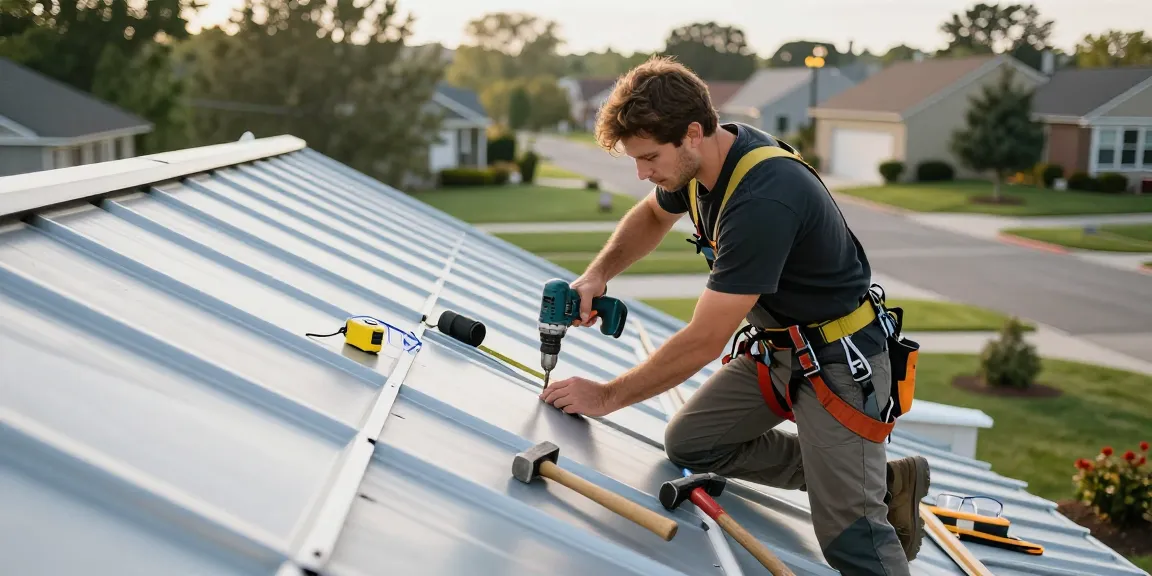
- Installation: Install sheeting or battens, followed by the steel panels. Ensure proper fastening and alignment.
- Finishing Touches: Apply edging, flashing, and any additional details as specified.
Safety Guidelines for Roofing Projects
Safety during installation should never be compromised. Contractors must adhere to safety protocols, including:
- Using proper personal protective equipment (PPE).
- Ensuring ladders and scaffolding are stable and used correctly.
- Implementing fall protection systems when working at heights.
How to Prepare Your Home for Installation
Preparing your home for roof installation can help streamline the process. Homeowners should:
- Clear the area around the house to allow for equipment access.
- Remove any fragile items from the attic or upper levels.
- Communicate with neighbors about potential noise and disruption.
Future Trends in Steel Roofing Solutions
As the roofing industry evolves, several trends are reshaping how steel roofing is perceived and utilized. Homeowners can find innovative solutions that reflect modern values and technologies.
Emerging Technologies in Roofing Installation
New technologies, such as drone inspections and advanced simulation software, are beginning to revolutionize how contractors assess and install steel roofs. These tools enhance accuracy, efficiency, and safety during projects, ultimately leading to better outcomes for homeowners.
Sustainable Practices among Steel Roofing Contractors
With an increasing focus on sustainability, many steel roofing contractors now offer environmentally friendly options. Sustainable practices may include utilizing recycled materials, incorporating energy-efficient designs, or adhering to green building standards, allowing homeowners to make eco-conscious choices.
What's Next for Steel Roofing in the Home Improvement Industry?
The future of steel roofing looks promising, with continued innovation and design flexibility. As homeowners become more knowledgeable about the benefits and options available, the demand for quality steel roofing solutions is likely to grow, paving the way for advancements in both materials and installation techniques.
What are the advantages of steel roofing?
The advantages of steel roofing include durability, energy efficiency, low maintenance, and an eco-friendly profile, making it a standout choice among roofing materials.
How long does steel roofing last?
Steel roofing generally lasts between 40 to 70 years, significantly outpacing the lifespan of traditional roofing materials like asphalt shingles.
Can I install steel roofing myself?
While some homeowners may consider a DIY approach, it’s advisable to hire a professional contractor due to the complexity of the installation and the safety standards required.
What should I look for in a roofing contractor?
When selecting a contractor, ensure they have the necessary certifications, experience, positive reviews, and a strong portfolio of past projects.
How does steel roofing compare to other materials?
Compared to materials like asphalt, wood, or tile, steel offers superior durability, longevity, and energy efficiency, making it a more cost-effective option in the long run.