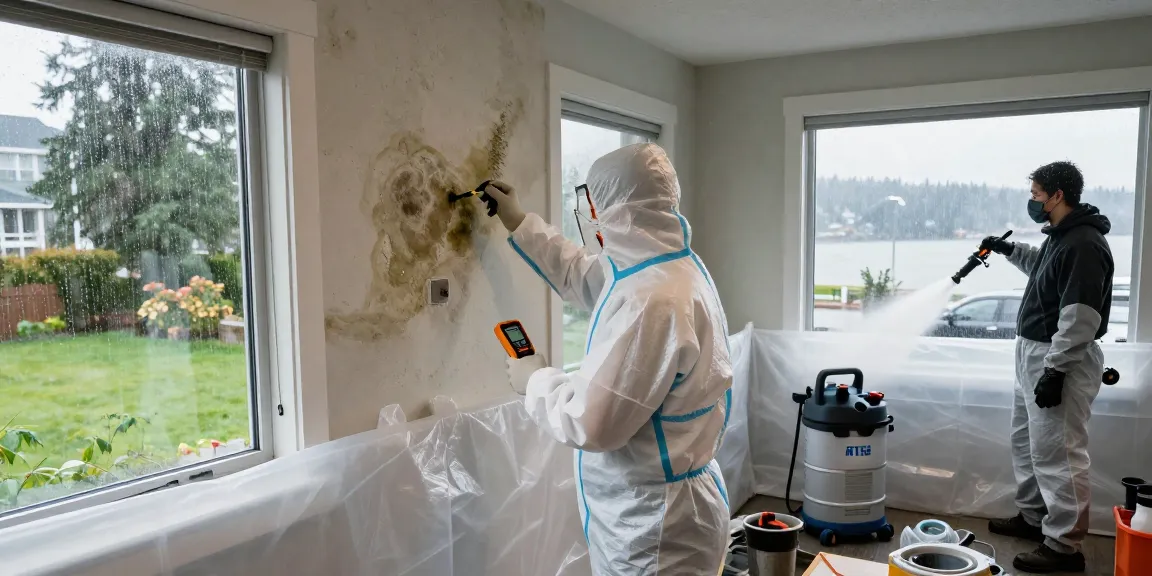
The Importance of Mold Remediation in Vancouver
In the beautiful city of Vancouver, characterized by its coastal climate and lush greenery, mold growth is a year-round concern for homeowners and businesses alike. The persistent humidity and rain can create ideal conditions for mold proliferation, making effective mold remediation crucial for maintaining healthy indoor environments. Understanding the methods to combat mold effectively not only helps preserve the structural integrity of properties but also safeguards the health of the occupants. When exploring options, Mold Remediation Vancouver provides comprehensive insights into mold management, offering certified solutions that address the unique challenges posed by the local climate.
Understanding Local Climate Factors
Vancouver’s climate is defined by mild, wet winters and warm, dry summers. This combination creates a perfect breeding ground for mold, particularly in older buildings that may not have been constructed with proper moisture barriers. High humidity levels, especially during the rainy season, contribute to the damp conditions that facilitate mold growth in hidden spaces such as basements, attics, and behind walls. Understanding these environmental factors is essential for both prevention and remediation efforts.
Health Risks Associated with Mold Exposure
Mold not only damages property but also poses significant health risks, especially for individuals with respiratory issues, allergies, or weakened immune systems. Exposure to mold spores can lead to a variety of health problems, including:
- Allergic reactions such as sneezing, runny nose, and skin irritations
- Respiratory problems including asthma attacks and chronic cough
- Serious infections in individuals with compromised immune systems
Understanding the health impacts of mold emphasizes the importance of timely remediation. Property owners must act quickly when mold is suspected to prevent these health hazards.
Signs You Need Mold Remediation
Recognizing the signs of mold growth is critical for timely intervention. Homeowners should be vigilant for:
- Visible mold patches on walls, ceilings, or floors
- A musty or damp odor that persists
- Water stains or discoloration on surfaces
- Increased allergy symptoms or respiratory issues among occupants
If these signs are observed, it is essential to contact professionals who specialize in mold remediation to assess the situation and implement effective solutions.
Choosing the Right Mold Remediation Service
Selecting a reputable mold remediation service can be overwhelming given the variety of options available. However, focusing on key factors can simplify the decision-making process.
Certifications and Qualifications to Look For
When searching for a mold remediation company, it’s crucial to verify their certifications and qualifications. Look for companies that are certified by the Institute of Inspection, Cleaning and Restoration Certification (IICRC) or the Vancouver Regional Construction Association (VRCA). These certifications indicate that the company adheres to industry standards and best practices in mold remediation.
Evaluating Mold Remediation Techniques
Different mold remediation companies may use various techniques. It’s essential to ask potential service providers about their methods. Effective mold remediation should include:
- Initial assessment and moisture mapping
- Containment to prevent spore spread
- HEPA filtration and air scrubbers to clean the air
- Use of antifungal treatments to eliminate mold
Inquire about the specific processes they follow to ensure thorough remediation.
Comparing Service Costs and Packages
The cost of mold remediation can vary significantly based on various factors including the extent of the infestation, the materials affected, and the remediation techniques used. Request quotes from multiple companies and compare what each package includes. Be sure to read the fine print to understand any potential additional costs that may arise during the process.
The Mold Remediation Process Explained
Understanding the mold remediation process can help ease concerns for homeowners and ensure that all necessary steps are taken to eliminate mold safely and effectively.
Initial Inspection and Assessment
The mold remediation process begins with a comprehensive inspection. Certified professionals will use specialized tools to detect mold and assess the extent of the contamination. This initial assessment may involve moisture readings, air quality tests, and a visual examination of high-risk areas. The detailed report helps in formulating an effective remediation plan tailored to the specific situation.
Containment and Removal Techniques
Once the assessment is complete, the next step is to contain the affected areas. This may include:
- Setting up physical barriers to prevent spore dispersion
- Using negative air pressure machines to control airflow
- Isolating HVAC systems to avoid spreading spores
After containment, the removal process begins, where professionals safely dispose of contaminated materials and clean salvageable items. Strict adherence to safety protocols is paramount during this phase.
Post-Remediation Cleaning and Restoration
After removing mold, thorough cleaning and restoration are necessary to ensure the property is safe for occupancy. Professionals will sanitize surfaces and may utilize antifungal and antimicrobial treatments to prevent future growth. Restoration may involve repairing water damage, replacing drywall, or repainting affected areas.
Preventing Future Mold Growth
Prevention is a critical component of mold management. Implementing effective strategies can significantly reduce the risk of mold returning after remediation.
Common Preventative Measures for Vancouver Homes
To prevent mold growth, homeowners can adopt the following practices:
- Ensure proper ventilation in high-moisture areas like bathrooms and kitchens
- Install exhaust fans to reduce humidity
- Regularly inspect and clean gutters to avoid water buildup
Understanding Moisture Control Techniques
Moisture control is essential in preventing mold. This includes:
- Utilizing dehumidifiers in damp spaces
- Fixing leaks promptly to prevent water accumulation
- Avoiding carpets in moisture-prone areas
Seasonal Maintenance Tips for Mold Prevention
Seasonal maintenance can also aid in mold prevention. For instance:
- Inspect roofs and chimneys for leaks before winter
- Clear out gutters in the fall to prevent ice dams
- Monitor humidity levels indoors, especially during summer
By staying proactive, homeowners can significantly mitigate the risk of mold growth in their properties.
Frequently Asked Questions about Mold Remediation
Many homeowners have concerns regarding mold remediation. Here are some common questions:
What Is the Average Cost of Mold Remediation in Vancouver?
The cost of mold remediation in Vancouver can vary depending on several factors, including the size of the affected area, the severity of the mold growth, and the remediation techniques required. On average, homeowners can expect to pay between $1,500 to $3,000 for remediation services, but prices can increase for extensive infestations.
Can I Stay in My Home During the Remediation Process?
It is generally recommended to vacate the premises during the initial phases of mold remediation, particularly if the infestation is significant. This ensures the safety of occupants and allows professionals to work efficiently. However, in less severe cases, homeowners may be allowed to stay if proper containment measures are in place.
How Can I Identify Hidden Mold in My Home?
Hidden mold can often be detected by musty odors and visible signs of water damage. Utilizing moisture meters and thermal imaging can aid in identifying problem areas that are not visible to the naked eye. Regular inspections of areas prone to moisture, such as basements and attics, should be conducted.
What Health Problems Can Mold Cause?
Mold exposure can lead to various health issues including respiratory problems, allergic reactions, headaches, and fatigue. Individuals with pre-existing health conditions may experience exacerbated symptoms. This underscores the importance of prompt remediation and professional assistance.
How Long Does Mold Remediation Typically Take?
The timeline for mold remediation can vary based on the extent of the infestation and the size of the affected area. Generally, the process can take anywhere from several days to a week. A thorough assessment followed by a detailed plan will provide a clearer estimate for remediation duration.